
What Actually Happens in Therapy?
One of the most common questions people have before starting therapy is simple:
“What actually happens in the room?”
For many, therapy feels unknown. That uncertainty can make it harder to reach out, even when part of you knows you need support.
This article aims to make things clearer. Not in a clinical or abstract way, but in a real, practical sense.
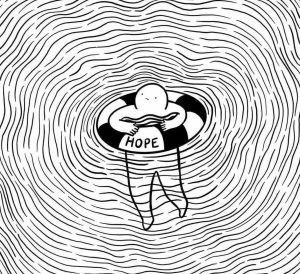
It usually starts with talking. But not in the way you might expect.
Yes, therapy involves talking. But it is not the same as talking to a friend, a partner, or even yourself.
There is no expectation to have things figured out. You do not need to explain everything clearly or tell your story in a perfect order. In fact, many people start therapy feeling confused, scattered, or unsure where to begin.
That is normal.
A therapist is not there to judge how well you explain yourself. They are there to help you slow things down, notice what is happening inside you, and make sense of it over time. It is extremely common for people to feel pressured to "get it all out" in the first session, which is why there is a focus on slowing things down. There's a saying sometimes people use "slow is fast". Brush over trauma content too quickly and we risk overwhelming our nervous system, which interferes with trauma therapy (more on that in a bit). The take away for now is that, yes, there will be talking.
Bringing Awareness to the Body
An important part of therapy involves gently bringing attention to what is happening in your body. Emotions are not just thoughts, they show up as physical sensations like tightness in the chest, a knot in the stomach, or a sense of heaviness or numbness. By slowing down and noticing these sensations, you begin to understand your reactions in a more direct way. This is not about forcing anything to change, but about building awareness of unmet needs. Over time, this awareness can help you feel more grounded, more in control, and better able to respond rather than react. I have another blog where I speak about the importance of emotions, and this is how we bring that knowledge into our awareness to be made useful. Check it out here.
You are not being analysed or “figured out”
A common fear is that the therapist is silently analysing everything you say, forming conclusions about you.
In reality, good therapy is collaborative. It is not about someone “working you out” from a distance. It is about working with you, in real time, to understand your experience.
You might be asked questions, but not to catch you out. The aim is to help you notice patterns, emotions, and reactions that are often automatic or outside of awareness. Do bare in mind that if you have a session with a psychologist or psychiatrist (most likely because you are exploring a potential diagnosis), then this doesn't apply. They are trying to figure you out, hopefully in a collaborative way, to help you understand yourself better. But for counsellors and psychotherapists, we don't diagnose (mostly, its a weird topic, one for another blog).
Sometimes it feels helpful. Sometimes it feels uncomfortable.
Therapy is not always immediately relieving. Especially when trauma is involved.
Some sessions feel like a weight has lifted. Others can feel frustrating, emotional, or even confusing. This does not mean something is going wrong. Often, it means something important is being touched.
For example, talking about a difficult memory might not feel good in the moment. But avoiding it completely can keep it stuck in the same place.
Therapy creates a space where these experiences can be approached more safely, at a pace that feels manageable.
You do not have to talk about everything straight away
There is no requirement to share your deepest experiences in the first session. This is something really important everyone should know before entering therapy. In fact, diving too deep into trauma content can be harmful and overwhelming. Your nervous system can only cope with so much. Really, trauma therapy is largely about helping you to express your emotions without being too overwhelmed by them, and you will have all the support from your therapist to achieve that.
Taking things slow allows more time to build trust with the therapist, and this contributes to a very important sense of safety. Trust builds over time. You get to decide what you talk about, how much you share, and when.
A good therapist will respect that. They will not push you into areas you are not ready to explore. At the same time, they may gently notice when something important is being avoided and help you approach it in a way that feels safer.
It is not just about insight
Understanding why you feel a certain way can be helpful. But insight alone does not always lead to change.
Many people come to therapy already knowing a lot about themselves. They understand their patterns, their history, even their triggers. Yet the same difficulties keep showing up.
Therapy works at a deeper level than just thinking. It involves noticing how your body reacts, how your emotions shift, and how different parts of you respond in certain situations.
Change happens not just through understanding, but through new experiences in the present. I touch on this a little bit in another blog. Check it out here to learn more about why thinking isn't enough.
The relationship matters more than any technique
There are many different types of therapy. Some focus on thoughts, some on the body, some on past experiences. The list is incredibly long!
What consistently makes the biggest difference is the relationship you have with your therapist. Research has been largely consistent in identifying this for many years now. The best cognitive behavioural therapist may not help you achieve what you need if you don't feel they get you, understand you, or care deeply about you. Whereas you may get more out of therapy with a "mediocre" therapist that makes up for their lack of skill with being a warm and caring human.
Feeling heard, understood, and not judged creates a foundation where change becomes possible. Without that, even the best techniques tend to fall flat.
You are allowed to take your time
There is no fixed timeline for therapy.
Some people come for a few sessions to work through something specific. Others stay longer to explore deeper patterns that have been present for years.
Progress is not always linear. It can feel like things are improving, then suddenly difficult again. This is part of the process, not a sign of failure.
A Gradual Approach to Working with Emotions
Therapy often follows a structured but flexible process when it comes to working with difficult emotions. This is sometimes understood as a three phase approach. It begins with building safety and stability, helping you develop ways to cope and feel more grounded. From there, therapy may move towards gently processing past experiences that are still having an impact. The final phase focuses on integrating these changes into your day to day life, so they feel more natural and lasting. This is not a rigid process, and everyone moves through it at their own pace. I will explore this in more detail in a future blog.
If you are considering therapy
It is normal to feel unsure.
You might wonder if your problems are “serious enough” or whether therapy will actually help. You might worry about opening things up or not knowing what to say.
These doubts are very common.
You do not need to be certain to start. You only need to be curious enough to take the first step. With that in mind, get in touch today and we'll work out together how therapy can be helpful for you.